
Kicking off with superfoods for energy, these nutritional powerhouses play a crucial role in boosting vitality and enhancing overall well-being. With a myriad of options available, superfoods are packed with essential nutrients that can help you maintain high energy levels throughout the day.
From ancient grains to vibrant fruits and green superfoods, each variety offers unique benefits that can be seamlessly integrated into your daily meals. Understanding what qualifies as a superfood can empower you to make informed dietary choices that support your energy needs.
Understanding Superfoods
Superfoods have taken the health and nutrition world by storm, gaining popularity for their incredible benefits. These nutrient-rich foods are packed with antioxidants, vitamins, and minerals that significantly boost overall health and energy levels. Their significance lies in their ability to provide essential nutrients that support bodily functions, enhance energy, and improve overall well-being. Examples of well-known superfoods that can help energize include spirulina, quinoa, chia seeds, and sweet potatoes.
To be classified as a superfood, a food item must contain a high concentration of beneficial nutrients. These nutritional components often include high levels of antioxidants, fiber, healthy fats, vitamins, and minerals, all contributing to increased energy and health benefits.
Specific Superfoods for Energy
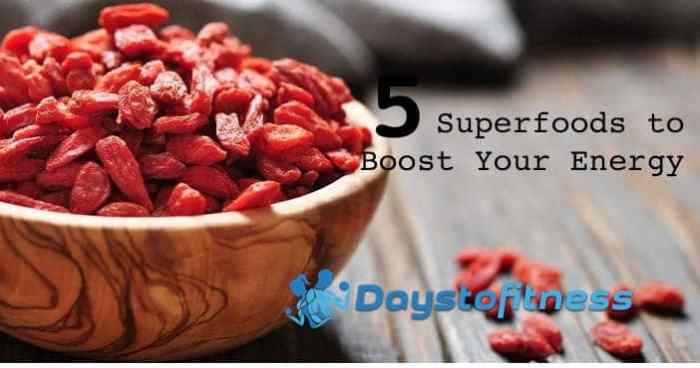
Several superfoods are particularly effective at enhancing energy levels. Here’s a breakdown of a few top superfoods and their unique benefits:
- Quinoa: This complete protein source is packed with all nine essential amino acids, making it an excellent energy booster.
- Chia Seeds: Rich in omega-3 fatty acids and fiber, chia seeds help in maintaining stable energy levels throughout the day.
- Spinach: This leafy green is loaded with iron and folate, which contribute to improved oxygen transport in the bloodstream, enhancing energy.
- Bananas: Known for their high potassium content, bananas provide a quick energy boost and are easy to digest.
- Sweet Potatoes: Packed with complex carbohydrates and fiber, they provide sustained energy without the crash.
Incorporating these superfoods into daily meals can be easy. For instance, quinoa can be used as a base for salads or bowls, chia seeds can be added to smoothies or yogurt, and sweet potatoes can be roasted or mashed as a side dish.
Superfoods Energy Boosting Properties
Here’s a table highlighting some superfoods along with their energy-boosting properties and nutritional values:
| Superfood | Energy-Boosting Property | Nutritional Value (per 100g) |
|---|---|---|
| Quinoa | Complete protein source | 368 kcal, 14g protein, 6g fat, 64g carbs |
| Chia Seeds | Rich in omega-3 and fiber | 486 kcal, 17g protein, 31g fat, 42g carbs |
| Spinach | Iron-rich for oxygen transport | 23 kcal, 3g protein, 0g fat, 3.6g carbs |
| Bananas | Quick energy boost | 89 kcal, 1.1g protein, 0.3g fat, 23g carbs |
| Sweet Potatoes | Sustained energy release | 86 kcal, 1.6g protein, 0.1g fat, 20g carbs |
The Role of Superfoods in Health and Fitness
Superfoods play a crucial role in enhancing overall health and fitness. These nutrient-dense foods not only help improve energy levels but also support recovery and performance during physical activities. Including superfoods in pre- and post-workout meals can significantly enhance workout results. For example, a smoothie made with spinach, banana, and chia seeds can provide a perfect pre-workout boost.Here are a few popular smoothie recipes featuring energy-boosting superfoods:
- Green Energy Smoothie: Blend spinach, banana, almond milk, and chia seeds for a nutritious kick.
- Quinoa Breakfast Bowl: Mix cooked quinoa with almond butter, sliced banana, and a sprinkle of cinnamon.
- Sweet Potato and Berry Smoothie: Combine roasted sweet potato, mixed berries, and yogurt for a filling treat.
Home Health Care and Superfoods
For individuals in home health care, superfoods can enhance energy and overall well-being. Proper nutrition plays an essential role in health recovery, and incorporating superfoods into meal plans can help patients regain strength and vitality. Caregivers can introduce superfoods by including them in familiar dishes or exploring new recipes.Some practical ways caregivers can incorporate superfoods into meal plans include:
- Adding spinach to soups or stews.
- Using quinoa instead of rice in traditional dishes.
- Incorporating smoothies into breakfast or snack options.
Health Equity and Access to Superfoods
Health equity is a critical issue when discussing access to nutritious superfoods. Many underserved communities may lack the availability of these foods, which can lead to health disparities, particularly regarding energy levels. Initiatives aimed at increasing the availability of superfoods in these areas are essential for promoting better health outcomes.Programs that focus on community gardens, farmer’s markets, and nutritional education can help bridge the gap and improve access to healthy food options.
By addressing dietary disparities, communities can work towards ensuring that everyone has the opportunity to benefit from the energy-boosting properties of superfoods.
Superfoods within Health and Social Care
Health and social care professionals can advocate for the inclusion of superfoods in dietary recommendations for patients. By promoting the benefits of these nutrient-rich foods, they can help improve health outcomes for individuals with specific health conditions. Case studies illustrating the positive effects of superfoods on health can further encourage their incorporation into community health programs.Barriers to promoting superfoods often include lack of knowledge among healthcare professionals and limited access for patients.
Addressing these barriers can facilitate a broader acceptance of superfoods within dietary guidelines and patient education.
Health Tips for Incorporating Superfoods
Integrating superfoods into everyday diets can be simple and enjoyable. Here are some practical tips to help achieve this:
- Start by adding one superfood to meals each week.
- Experiment with different recipes that highlight superfoods.
- Balance superfoods with other food groups to create well-rounded meals.
Creating visually appealing infographics showcasing the benefits of superfoods can also engage and educate consumers about their value in promoting energy and health.
Dental Care and Nutrition
Certain superfoods also play a role in maintaining dental health while providing energy. Foods rich in vitamins like calcium, phosphorus, and vitamins C and D are essential for strong teeth and gums. Nutrition directly affects energy levels and oral health, highlighting the importance of a balanced diet for overall well-being.Some superfoods that contribute to both energy and dental care include:
- Leafy Greens: High in calcium and fiber, promoting oral health.
- Apples: Help stimulate gums and clean teeth naturally.
- Nuts: Provide healthy fats and minerals essential for dental health.
Healthcare Systems and Dietary Recommendations
Healthcare systems increasingly recognize the importance of superfoods in dietary advice for patients. Successful programs that promote energy-enhancing diets demonstrate the potential for improving health outcomes. Nutrition education within healthcare settings helps ensure that professionals are equipped to guide patients on the benefits of superfoods.By integrating superfoods into patient care practices, healthcare systems can play a pivotal role in promoting overall health and energy levels.
Health and Medical Education
The integration of superfoods into health and medical education curricula is vital for preparing future healthcare professionals. By developing strategies that emphasize the importance of nutrition, particularly superfoods, students can be better equipped to advise patients on dietary choices.Raising awareness about the benefits of superfoods among medical students can enhance their understanding of nutrition’s role in health. Practical experiences, such as workshops or community outreach projects, can further reinforce this knowledge and its implementation in future practice.
Closure
In summary, superfoods for energy not only provide nutritional benefits but also contribute to a healthier lifestyle when incorporated thoughtfully into your diet. By embracing these energy-boosting foods, you can enhance your daily performance and overall health, making a positive impact on your life.
FAQ Summary
What exactly are superfoods?
Superfoods are nutrient-dense foods that offer substantial health benefits, often rich in vitamins, minerals, and antioxidants.
Can I rely solely on superfoods for energy?
While superfoods can significantly boost your energy, a balanced diet including a variety of food groups is essential for overall health.
Are superfoods expensive?
Some superfoods may be pricier, but many affordable options exist, such as beans, spinach, and oatmeal.
How often should I consume superfoods?
Incorporating superfoods into your diet several times a week can help maintain energy levels, but moderation is key.
Do superfoods have side effects?
Generally, superfoods are safe for most people, but it’s important to consult with a healthcare professional if you have specific dietary concerns.


