
Palliative care in home is a compassionate approach that prioritizes the comfort and quality of life for individuals facing serious illnesses. By providing personalized care in the familiar surroundings of one’s home, it fosters a supportive environment for both patients and their families. This form of care not only addresses physical symptoms but also encompasses emotional and psychological well-being, making it a holistic option for those in need.
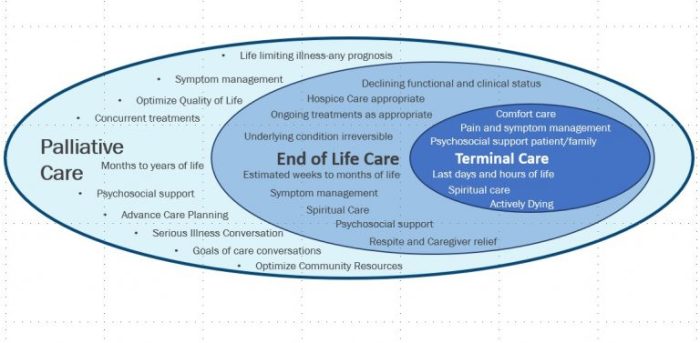
Understanding the differences between palliative care and hospice care is essential, as the former can begin at diagnosis, while the latter typically focuses on end-of-life support. Effective home-based palliative care integrates various components such as interdisciplinary teams, caregiver support, and health resources to create a comprehensive care plan tailored to individual needs.
Introduction to Palliative Care in Home
Palliative care is a specialized medical approach focused on providing relief from the symptoms and stress of serious illnesses. Its primary goal is to improve the quality of life for both the patient and their family. When palliative care is delivered in a home setting, it allows patients to receive compassionate care in a familiar environment, surrounded by their loved ones, which can significantly enhance their emotional and physical well-being.
It’s important to differentiate palliative care from hospice care. While both approaches aim to provide comfort, palliative care can be offered at any stage of a serious illness and can be provided alongside curative treatment. In contrast, hospice care is specifically for patients in the final stages of life, focusing solely on comfort rather than curative efforts.Effective home-based palliative care comprises several key components, including:
- Comprehensive symptom management to alleviate pain and discomfort.
- Emotional and psychological support for both patients and families.
- Coordination with healthcare providers to ensure continuity of care.
- Education for families about the patient’s condition and care needs.
Benefits of Home Palliative Care
Receiving palliative care at home offers numerous advantages compared to traditional hospital settings. Firstly, being in a familiar environment can lead to reduced anxiety and stress for patients. They can maintain their daily routines and enjoy the comfort of their own space, which can positively affect their overall health.The emotional and psychological benefits are significant as well. Patients often report feeling more at ease and supported by their loved ones.
Families also experience relief in knowing they can be there for their loved ones during this challenging time. Recent statistics indicate that home palliative care can lead to improved patient satisfaction and even prolong life in some cases, as patients are more likely to communicate openly about their needs and preferences.Key statistics showcase the effectiveness of home palliative care:
- Studies show that patients receiving home palliative care have a higher quality of life compared to those in hospitals.
- Research indicates a 20% reduction in hospital readmissions for patients receiving palliative care at home.
- Families report an increased sense of preparedness and improved coping mechanisms when receiving care at home.
Home Health Care and Palliative Care
Home health care services play a crucial role in delivering palliative care, ensuring that patients receive the necessary medical attention and support right at their doorstep. These services often include skilled nursing care, physical therapy, and assistance with daily living activities, tailored to the unique needs of each patient.Interdisciplinary teams, consisting of doctors, nurses, social workers, and other specialists, work together to provide comprehensive palliative care.
This collaboration ensures that all aspects of a patient’s health—physical, emotional, and social—are addressed, resulting in holistic care delivery.Caregiver support is another vital component in the home health context. Caregivers often bear a significant burden, and providing them with resources, training, and respite care is essential for maintaining their well-being. This support not only enhances the quality of care offered to patients but also empowers caregivers to manage their responsibilities effectively.
Nutrition in Palliative Care
Nutrition plays a pivotal role in the well-being of palliative care patients. Proper nutrition can help manage symptoms, improve energy levels, and enhance overall quality of life. Healthy food choices are vital, especially when patients may experience loss of appetite or other challenges related to their condition.Creating meal plans that cater to the individual needs of patients is essential. Recommendations include focusing on nutrient-dense foods and providing small, frequent meals rather than large ones.
It’s important to consider any dietary restrictions or preferences to ensure that meals are both enjoyable and beneficial.Here are a few recipes suitable for individuals receiving palliative care:
- Vegetable Soup: A comforting, nutrient-rich option packed with vitamins.
- Oatmeal with Honey and Berries: Provides energy and antioxidants, perfect for breakfast.
- Grilled Salmon with Quinoa: A healthy source of protein and omega-3 fatty acids.
Health Equity in Palliative Care
Health equity is crucial when it comes to accessing palliative care services. It ensures that all individuals, regardless of their background, have the opportunity to receive quality care. Unfortunately, marginalized communities often face various barriers, including socioeconomic factors, lack of awareness, and limited access to healthcare resources.Identifying these barriers is essential for improving equity in home-based palliative care. Some common obstacles include:
- Transportation issues preventing access to necessary services.
- Language barriers that hinder effective communication with healthcare providers.
- Lack of culturally competent care that respects diverse backgrounds and beliefs.
To improve equity, recommendations include increasing community outreach, providing education on palliative care, and advocating for policy changes that enhance accessibility for all.
Home Health Care Resources
Families seeking palliative care at home are often in need of guidance and support. A variety of resources are available to assist them through this journey. Some of these resources include:
- Local health clinics: Offering specialized palliative care services and consultations.
- Online support groups: Providing a platform for families to share experiences and seek advice.
- Educational materials: Books and online resources that cover palliative care topics and family caregiving strategies.
Navigating healthcare systems can be challenging, so it’s essential to have a guide that Artikels the steps families need to take. This guide can include information on insurance coverage, available services, and how to effectively communicate with healthcare providers.
Health and Fitness Considerations
Maintaining physical activity is important for palliative care patients, as it can improve their strength and overall quality of life. Gentle exercises tailored to each individual’s capabilities can provide numerous benefits, such as enhancing mobility and decreasing fatigue.Some tips for incorporating light exercises into daily routines include:
- Walking short distances around the house or garden.
- Engaging in chair exercises that promote flexibility and strength.
- Practicing stretching or yoga to improve balance and relaxation.
Engaging in regular physical activity not only helps manage symptoms but also fosters a sense of independence and well-being in patients.
Managing Health Anxiety
Health anxiety can be particularly challenging for patients and families dealing with serious illnesses. Implementing strategies to manage this anxiety is essential for emotional well-being. Techniques such as mindfulness, meditation, and deep breathing exercises can be effective tools for reducing stress at home.Incorporating relaxation techniques can greatly benefit patients and their families. Some suggestions include:
- Guided imagery exercises to create a calming mental space.
- Journaling to express emotions and track feelings over time.
- Listening to soothing music or nature sounds to promote relaxation.
Additionally, the involvement of mental health professionals in palliative care can provide crucial support and coping strategies for managing health anxiety.
Training and Education in Palliative Care
Education is vital for caregivers in palliative care, as it equips them with the knowledge and skills they need to provide effective support. A comprehensive training program can cover various topics, including symptom management, communication strategies, and emotional support techniques.Family members acting as caregivers can benefit from resources such as:
- Workshops on palliative care basics and best practices.
- Online courses that allow flexibility in learning about caregiving techniques.
- Support groups where caregivers can share experiences and gain insights.
Ongoing education in palliative care practices is also crucial, allowing caregivers to stay updated on the latest advancements and approaches in the field.
Health and Safety in Palliative Care
Ensuring health and safety in home palliative care settings is essential for the well-being of patients. Key safety practices include:
- Regular assessments of the home environment to identify potential hazards.
- Providing proper training for caregivers on safe handling and mobility techniques.
- Implementing infection control measures to prevent illness.
Creating a safe environment for patients involves not only physical safety but also emotional security. Open lines of communication between patients, families, and healthcare providers are vital in fostering trust and safety during home palliative care.
End of Discussion
In conclusion, palliative care in home represents a significant shift towards patient-centered care that emphasizes dignity, comfort, and support for those dealing with serious health challenges. By making informed choices and utilizing available resources, families can navigate the complexities of care while fostering an environment where love, understanding, and quality of life flourish. Embracing this approach not only benefits patients but also strengthens the bonds within families during difficult times.
FAQ Insights
What is the primary goal of palliative care in home?
The primary goal is to enhance the quality of life for patients and their families by managing symptoms and providing support in a familiar environment.
How does home palliative care differ from hospital care?
Home palliative care offers personalized support in a comfortable setting, while hospital care often focuses on acute medical treatment.
Can palliative care be provided alongside curative treatment?
Yes, palliative care can be provided alongside curative treatments, as it aims to improve comfort and support throughout the illness journey.
Are there specific qualifications for home palliative care providers?
Providers typically have specialized training in palliative care, including nurses, social workers, and physicians who work collaboratively to deliver comprehensive care.
How can families access resources for home palliative care?
Families can access resources through healthcare providers, palliative care organizations, and local health clinics that offer support and guidance.


