With telehealth clinic services at the forefront, the healthcare landscape is rapidly evolving, making quality care more accessible than ever. The advent of technology has transformed traditional medical consultations into virtual experiences, breaking down geographical barriers and providing an unprecedented level of convenience for patients and providers alike.
In the wake of the pandemic, telehealth has surged in popularity, offering a broad range of services that cater to diverse health needs. From routine check-ups to specialized consultations, these services have not only enhanced patient care but also paved the way for innovative healthcare solutions.
Overview of Telehealth Clinic Services
Telehealth clinic services have emerged as a revolutionary aspect of modern healthcare, providing remote access to medical consultations and services. This innovation holds significant importance, especially in a world where accessibility and convenience are paramount for patients and healthcare providers alike. The COVID-19 pandemic accelerated the adoption of telehealth services, pushing many healthcare facilities to integrate digital solutions to maintain patient care while minimizing physical contact.During the pandemic, there was a marked increase in telehealth services, showcasing their potential to reach a broader demographic while ensuring safety.
Patients could access a variety of services from the comfort of their homes, which was crucial during lockdowns and social distancing mandates. Telehealth clinics offer a range of services, including regular check-ups, mental health counseling, and chronic disease management, all designed to cater to patient needs without the necessity of in-person visits.
Types of Services Offered Through Telehealth Clinics
Telehealth clinics have diversified their offerings to cater to various medical needs. These services include:
- Primary Care: Routine consultations for general health issues.
- Mental Health Services: Therapy sessions and psychiatric consultations.
- Specialist Consultations: Access to specialists in fields such as dermatology, cardiology, and endocrinology.
- Chronic Disease Management: Monitoring and managing conditions like diabetes and hypertension remotely.
- Medication Management: Prescriptions and adjustments communicated through secure platforms.
Benefits of Telehealth Clinic Services
Telehealth clinic services offer numerous advantages, enhancing the healthcare experience for both patients and providers. The convenience of accessing healthcare from home eliminates travel time and waiting room delays, making healthcare more accessible to diverse populations. Telehealth breaks down geographical barriers, allowing patients in rural areas to receive care that might otherwise be unavailable.The accessibility of telehealth services is amplified through user-friendly technologies that streamline the consultation process.
This service model contrasts sharply with traditional in-person visits, which often involve longer wait times and logistical challenges. Telehealth not only improves patient satisfaction but also optimizes workflow for healthcare providers, enabling them to manage their time effectively.
Advantages of Telehealth for Patients and Providers
The benefits of telehealth services extend to both patients and healthcare providers, offering a win-win scenario. Key advantages include:
- Increased Accessibility: Patients can connect with healthcare professionals without geographical constraints.
- Cost-Effectiveness: Reduced travel and associated costs for both patients and providers.
- Time Efficiency: Quicker access to consultations saves time for patients and providers alike.
- Continuity of Care: Easier follow-up appointments and ongoing management of chronic conditions.
- Improved Patient Engagement: Technology facilitates better communication and involvement in healthcare decisions.
Technological Requirements for Telehealth
For effective telehealth consultations, certain technological requirements must be met to ensure a seamless experience. The necessary technology includes reliable internet access, a computer or mobile device capable of video calls, and secure communication platforms. These tools are essential for maintaining the quality of care and ensuring that patient interactions are effective and productive.Security is a critical aspect of telehealth services, with healthcare providers implementing various measures to protect patient information.
Encryption technologies and compliance with regulations like HIPAA are crucial in safeguarding sensitive health data during virtual consultations.
User-Friendly Platforms for Telehealth
Choosing the right platform for telehealth is essential for both providers and patients. User-friendly platforms typically offer features such as:
- Video Conferencing: High-quality video and audio for real-time consultations.
- Appointment Scheduling: Easy-to-use interfaces for booking appointments.
- Secure Messaging: Private communication channels for discussing sensitive health issues.
- Record Keeping: Digital storage for patient records and previous consultations.
- Integration with Health Data: Capability to connect with electronic health records (EHR) systems.
Home Health Care Integration
Telehealth has significantly enhanced home health care services, allowing for better management of patient health from the comfort of their homes. This integration is particularly valuable for elderly patients and those with chronic conditions, who may find it challenging to visit healthcare facilities regularly. Telehealth enables continuous monitoring and timely interventions, ensuring that patients receive the necessary care without unnecessary stress.The role of telehealth in monitoring chronic conditions cannot be overstated.
With remote monitoring devices, healthcare providers can track vital signs and other health indicators, adjusting treatment plans as needed. Success stories abound, showcasing patients who have effectively managed their health through telehealth services, leading to better outcomes and improved quality of life.
Success Stories of Patients Using Telehealth in Home Health Care Settings
The integration of telehealth in home health care has produced numerous positive outcomes. Patients have reported enhanced access to their healthcare teams and a greater sense of security in managing their health. Notable examples include:
- Diabetes Management: Patients using telehealth platforms to monitor blood sugar levels and receive dietary advice.
- Chronic Heart Failure: Remote monitoring tools alerting healthcare providers to potential issues before they escalate.
- Mental Health Support: Patients experiencing improved mental well-being through regular virtual therapy sessions.
Final Wrap-Up
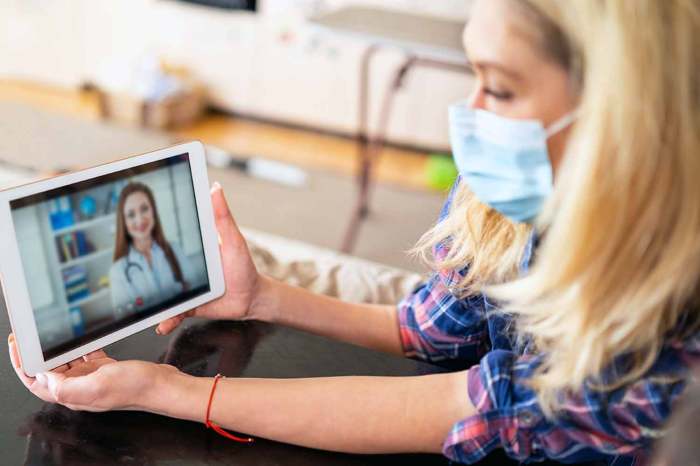
In conclusion, telehealth clinic services represent a significant shift in how we approach healthcare, blending technology with compassion to deliver effective care. As we continue to navigate this transformation, it’s clear that the future of healthcare will be defined by the accessibility and convenience that telehealth provides, ensuring that quality medical attention is just a click away for everyone.
FAQ
What technologies do I need for telehealth?
You typically need a device with a camera and microphone, a stable internet connection, and compatible software or apps for video consultations.
Is my health information secure during telehealth sessions?
Yes, telehealth services use secure communication methods, including encryption, to protect your privacy and health information.
Can telehealth replace in-person visits?
While telehealth is effective for many services, some situations may still require in-person visits for thorough examinations or procedures.
Will my insurance cover telehealth services?
Coverage varies by insurer; many now include telehealth services, but it’s essential to check your specific plan for details.
How can telehealth improve health equity?
Telehealth can enhance access for underserved populations by overcoming geographical barriers and reducing transportation challenges.